
Module 3 – Gut health
We have already looked a bit at gut health and specifically bacteria, which I hope you have enjoyed and understood?! Please ask questions!
The gut is one of the first lines of defence for your body when it comes to imummunity. It can also tells us if things arent working right (through poop analysis and symptoms etc) and determines whether we will get nutrients to where they need to go for energy, healing and fat burning. This is why we always want to pay attention to any symptoms our gut might be experiencing and keep an eye on the color, shape and consistency of our bowel movements.
When there are issues in the gut, we can see it in your bowel movements, skin, hair, mood, mental health, joints, inflammation, cravings, appetite, hydration, body weight and even sleep.
The ‘gut’ runs from your nose to your anus. The gut can also be referred to as the GI tract or gastrointestinal tract, digestive tract or digestive system. It is made up of several parts or organs, and each of these requires a certain pH to function properly. Then of course each section of your gut has sub-sectiosn, like the duodenum, which is the first part of the small intestine. And the colon which is part of the large intestine. *If you mess around with the pH on any part of your body, you can cause serious damage.
the nose - pH 5.5 to 6.5
the mouth - pH 6.7 to 7.2 (Saliva has a pH normal range of 6.2-7.6 with 6.7 being the average)
the esophagus - pH 7
stomach - pH 1.5 to 3.5
the small intestine - pH 6 to 7.4
the large intestine - pH 5 to 7
anus - pH 7 to 12 (which is quiet a broad rage because it can be influenced on nutrition and inflammation).
Maintaining optimal gut flora/gut bacteria (especially the bacteroidetes, bifidobacteria and akkermansia), and ‘reseeding’ your gut with modbiotics, prebiotics and probiotics may be one of the most important steps you can take to improve your health.
In my experience, one of the best ways to keep a strong healthy gut is by consuming lots of tart, bitter, sour, astringent and polyphenol richs foods. This means lots of black coffee, teas, dark chocolate, vinegars, sour fruits, dark berries, herbs, spices and especially the skins off fruits (think the skin off granny smith apples, kiwi and pears). And of course clean water, to help keep things moving along.
One thing to note is;
As we get older, our enzymatic production (and bile and digestive acids) decrease or slow down – this is where taking a good digestive enzyme is beneficial for most people (but not mandatory).
Your diet can quickly alter your gut health – within minutes!
Your diet can quickly alter the composition or integrity of your good gut bacteria (which keep us lean and healthy). You can see how quickly these bacteria get influenced by what we consume, with food poisoning – the effects of food poisoning can come on within minutes.
Processed foods high in polyunsaturated fatty acids and chemical additives, and low in nutrients are also a surefire way to damage the beneficial bacteria in your gut, allowing the harmful kind, the bad bacteria, to thrive. These foods also drive up inflammation and serotonin, which is a bad thing (more to come on that).
Then there are antibiotics, which are probably one of the worst things you can do for your gut health – albeit sometimes they are neccessary. Killing approximately one third of your good gut bacteria ‘each time’ you run a course of antibiotics. Followed by proton pump inhibitors. Note; the research does show us that there are some beneficial anti biotics like Penicilin for example.
If taking antibiotics, to off set as much damage as possible, you want to consume;
pickles or pickled vegetables
kombucha
sauerkraut
apple cider vinegar
other vinegars
polyphenol rich fruits like dark berries
organic apples and apple skins (granny smith are the best for lots of reasons)
kale chips like Solar Raw that contain antimicrobial ingredients and nutritional yeast
nutritional yeast
Post antibiotics; you continue with the above and add in lots of green vegetables, mushrooms, onions, garlic, bone broths, soups, sweet and white potatoes (including some skin), and if symptoms are not good, you can consider cycling a saccaromyces boulardii or a probiotic like this.
Supplements that support gut health;
Aspirin - Im a huge fan of Aspirin, more to come on this
Glycine
Berberine
Turmeric or Curcumin
Colostrum
L-Glutamine
HCL
Digestive enzymes
Serrapeptase
Mastic gum
Collagen (including gelatin and bone broth)
Akkermansia probiotic
Yeast like Saccharomyces and Saccharomyces cerevisiae (nutritional yeast)
Deglycyrrhizinated licorice (DGL) a substance found in licorice root
Molecular hydrogen is also amazing for gut inflammation - MH gets mostly absorbed in the small intestine.
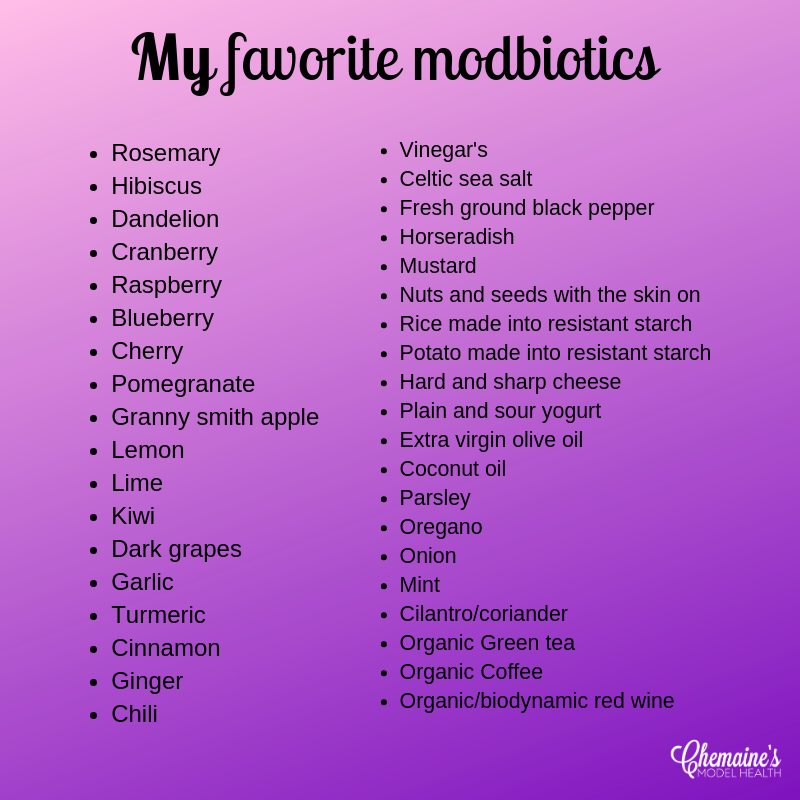
Your gut health and bacteria can determine if you will be obese or not, and if you will be healthy or not. It would be silly to not bear them in mind.
How snacking messes up with your gut. 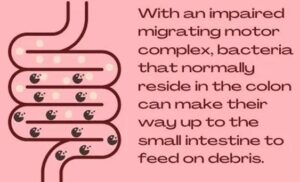
Understanding the Migrating Motor Complex.
First described in 1968 by Dr. Szurszewski, the MMC serves as an “internal digestive housekeeper” for the small intestine (think gas, bloating and SIBO).
1.Bacterial management — It helps transport bacteria from the small intestine to the large intestine, preventing bacterial overgrowth in the small intestine.
Beyond its impact on the MMC, constant snacking often indicates that our main meals aren’t nourishing us and providing enough energy. This can happen for several reasons: