Module 2 – Organic and non organic
Simply stated, organic produce and other ingredients are grown without the use of pesticides, synthetic fertilizers, sewage sludge, genetically modified organisms, or ionizing radiation. Animals that produce meat, poultry, eggs, and dairy products do not take antibiotics or growth hormones. Albeit this is not 100% as these products may get exposure to toxins due to run off or rain fall etc, but they are still lower in toxins then conventional food, which is strongly showing in the research.
The USDA National Organic Program (NOP) defines organic as follows:
Organic food is produced by farmers who emphasize the use of renewable resources and the conservation of soil and water to enhance environmental quality for future generations. Organic meat, poultry, eggs, and dairy products come from animals that are given no antibiotics or growth hormones. Organic food is produced without using most conventional pesticides; fertilizers made with synthetic ingredients or sewage sludge; bioengineering; or ionizing radiation. Before a product can be labeled “organic,” a Government-approved certifier inspects the farm where the food is grown to make sure the farmer is following all the rules necessary to meet USDA organic standards. Companies that handle or process organic food before it gets to your local supermarket or restaurant must be certified, too.
How do I know if something is organic?
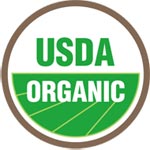
The USDA has identified for three categories of labeling organic products:
100% Organic:
Made with 100% organic ingredients
Organic:
Made with at least 95% organic ingredients
Made With Organic Ingredients:
Made with a minimum of 70% organic ingredients with strict restrictions on the remaining 30% including no GMOs (genetically modified organisms)
Products with less than 70% organic ingredients may list organically produced ingredients on the side panel of the package, but may not make any organic claims on the front of the package.
Organic foods can be more expensive than their conventional counterparts, and while I as a nutritional therapist prefer to see everyone buying organic foods as much as possible, I do realize that this can get expensive, especially when feeding a family.
Fortunately, certain foods have the natural built-in ability to resist holding on to certain pesticides and toxins, leaving them a little bit “cleaner” than other foods.
The Environmental Working Group (EWG), a resourceful non-profit agency with a mission to protect humans and the environment, has provided two lists that aid in the organic versus conventional conundrum (I also use their app on my phone when I want tos can product labels in stores). Knowing these fruits and vegetables can go a long way in saving you money, and more importantly, your health.
Please keep in mind that just because the list says “clean” does not mean that these foods were not treated with pesticides.
They were likely sprayed and treated with toxic chemicals, but their ability to defend from these toxins is just a little bit better, making them less toxic than the others.
Also, please remember that these foods may very well be genetically modified organisms (GMO) so if you’re looking to avoid that, buy organic – by definition, organic foods are not allowed to be GMO.
With that all said, the below are the clean 15, which are 15 foods that don’t always have to be organic. And the dirty dozen, which are the 12 foods that we try to always buy organic.
The Clean 15
Avocados
Sweetcorn
Pineapple
Cabbage
Sweet peas
Onions
Asparagus
Mango
Papaya
Kiwi
Carrots
Mushrooms
Honeydew melon
Watermelon
Sweet potatoes
The Dirty Dozen
Apples
Peaches
Nectarines
Strawberries
Grapes
Pears
Bell & hot peppers
Spinach
Blueberries
Cherries
Green beans
Kale, collard and mustard greens
You can see in the Dirty Dozen there are several foods I favor and recommend a lot. So where possible, it is wise to get these organic.
During times of financial or food scarcity, like in a pandemic, it can be harder to get your hands on certain foods… so if this is the case then getting frozen organic fruit and vegetables can be helpful and they can last longer, a lot of the time these are cheaper then fresh too. When we look at meats, grass fed and wild can also be expensive, and scarce… so here we want to focus on extra lean meats, even conventionally raised, because they will contain less hormones and toxins because they have less ‘fat’. These can also be more affordable, along with tinned tuna and liquid egg whites. If buying whole eggs, if they are not real free range, at least aim for ‘organic’ which is generally around the same price as non organic.
I know not everyone is sold on the idea of “organic” etc. but hear me out….
The main concern around organic versus conventional is the impact on our gut and microbiota (the bacteria that live in our gut). Because the gut highly influences mental health (including your ability to stay on track and make good choices), inlammation, immunity, the stress response and thyroid function, then it would be negligible to think that the types of food we lut in their is “harmless”. This includes the organic way of thinking.
Organic is absolutely not perfect but it does have lower levels of contaminants and chemicals. When we consider apples for example – the main reason we consume apples is for their pectin in the skin fiber and the polyphenols. Both of these components support the health of our gut and our “good” bacteria. If your apple is sprayed with pesticides, which are designed to kill pathogens and bacteria, then it stands to reason that when you consume an apple that has been sprayed, those pesticides will kill your good/gut bacteria…thus causing a disbiosis (which opens a pandoras box worth of issues). Also, the research shows that foods treated or sprayed with chemicals have lower levels or polyphenols AND nutrients and enzymes (enzymes are soooo important).
These chemical compounds/poisons also have hormonal activity in the body – not the good kind. And have been shown to reduce metabolism by up to 50%! References below.
Concentration of chemicals coming in through foods is also a concern which is why I INSIST that coffee and tea be organic.
Not all food need to be organic BUT I encourage you to always get the below 6 foods organic.
The below 6 foods should always be organic as these are high demand foods and are exposed to large amounts of herbicides and pesticides during growth and harvesting, and harsh processing methods. Because we also consume these specific foods daily, sometimes in large amounts, we want to be smart with our choices here.