Module 2 – Female Hormones Part 2
Your period is trying to tell you something. Your period is not just your period, it is an expression of your underlying health. When you are healthy, your period will arrive smoothly, regulary, and without or with minimal symptoms. When you are unhealthy in some way, your period will tell the story.
Think of your period as your monthly check in or report card. Every month, it can offer a helpful general of what is happening in your body. That information is incredibly helpful and such a good way to help you know what to do or change to support your health.
Bleeding between periods or Mid-Cycle bleeding.
Light spotting on the day of ovulation is common and normal. It’s caused by a mini estrogen withdrawl as your estrogen dips after it’s pre-ovulation surge.
If you have spotting at other times in your cycle, it may simply be breakthrough bleeding of an anovulatory cycle (without ovulation), which can either be spotting or a lot of blood that looks like a period. Mid-cycle bleeding can also be a sign of other gynecological conditions such as; fibroids endometriosis, pelvic infection, or uterine polyps.
Uterine polyps or endometrial polyps are outgrowths from the uterus lining, which are usually benign or non-cancerous.
Other causes of mid-cycle bleeding are; bleeding after sex, premenstrual bleeding (which is what many experience when they say “well the first day of my period is very light”), birth control and PCOS. PCOS or polycystic ovarian syndrome is one of the main causes of heavy bleeds mid cycle and not ovulating. PCOS is an insulin resistance driven issue. FIX; address nutrition, blood sugars, add in a fasting protocol, magnesium, zinc, berberine, exercise, and use a peony and licorice combination.
Day 1 of your cycle is the first day of your heavy bleed. The days of premenstrual spotting are the final days of your previous cycle.
No periods or Amenorrhea.
An absence of periods is called amenorrhea. The absence of periods when you ‘used’ to have them, is called “secondary amenorrhea”, which is what we will be learning about here. Firstly, kind of obvious, but check if you are pregnant if your period has not arrived. And remember, light bleeding is a common symptom of early pregnancy.
Your lack of periods could be a sign of menopause beginning. Stress, illness, trauma, medical conditions, PCOS or surgery are all common reasons to miss a period or two. Stress tells your hypothalamus to temporarily suppress reproduction, so you don’t ovulate, and halt your period. When this kind of menstrual supression become chronic, it is called “hypothalamic amenorrhea (HA)”. Undereating is another common cause of not getting your period. Including under eating carbs. Because undereating is a stress on your body and causes your body to think it is starving, and go into survival mode. Reproduction gets shut off. After all has been ruled out, you may get a diagnosis of PCOS, this is done by your doctor seeing androgen excess on a blood panel or DUTCH test, which may be inhibiting normal menstrual cycle.
I have personally missed periods twice due to a time of severe stress. So having good stress management tools is an important part of #hormonalhealth !
A low carb diet can cause you to miss a period or not get your period. As a woman, you need a certain amount of carbs to be able to ovualte and allow your body to feel safe enough to reproduce.
Peri-menopause and menopause.
What happens after your fourties? Well you can look forward to your hormones going on a rollercoaster ride! You may start experiencing symptoms like hot flashes, night sweats, sleep issues, mood swings, and crazy heavy periods. This is perimenopause, which can appear a decade or so before menopause. During this time, your hormones, especially estrogen can fluctuate. This fluctuation and symptoms, can be made worse with poor nutrition. Your doctor may offer you estrogen or hormone replacement therapy – but why would you want more estrogen if your estrogen is already high? Progesterone may be helpful for some women.
Lets get the definitions straight;
Peri-menopause is the two to twelve years before menopause and is when your most likely to experience symptoms.
Menopause is the one day anniversary of one year after your last period. So you have not had a period in twelve months. And is when many symptoms will settle down. Yes menopause is technically just one day.
Post-menopause is the phase of your life that happens after menopause and is often a time when hormones have stabilized .
Research suggests that the more stressful your life is/has been, the worse your perimenopause experience and symptoms will be. If you are not careful with your nutrition and lifestyle choices, you can experience;
Weight gain, specifically in your tummy… you lose your butt and gain a gut!
Symptoms often experienced in Peri-menopause;
new onset of heavy and/or longer flow
shorter menstrual cycles
new sore, swollen, lumpy breasts
increased menstrual pain
new or increased migraines
new or increased premenstrual mood swings
hot flashes sporadically during the day and especially at night
**A lot of the symptoms of Peri-menopause are the same as the symptoms of low progesterone**
Not everyone will experience bad symptoms and there are ways to make things easier on yourself. Hopefully enough to experience perimenopause as just a gradual lightening and fading away of your periods.
Boost progesterone. Progesterone boosting foods
Maintain good metabolic health - if you don't have metabolic health YOU WILL NOT HAVE YOUR HORMONES!
Decrease estrogen though fat loss adn supporting estrogen detoxification. We also want to keep an eye on “phytoestrogens’ who can mess with our estrogen levels.
Stay hydrated, this will help with the detoxification of hormones and inflammatory molecules.
Reduce inflammation.
Improve stress management techniques and practice self care/me time.
Sleep.
Minimize alcohol consumption -alcohol impairs the metabolism of estrogen. Alcohol also lowers progesterone and interferes with progesterones calming action in the brain.
Use supplements like; Magnesium, Amino acids or Taurine, and Vitamin B6 or B complex.
Use herbs like; Rosemary, Ashwaganda, and Ziziphus.
Micronized or natural/bioidentical progesterone. * Natural progesterone can also support low thyroid hormones.
And lastly, for now, I encourage you to listen to both of the below podcast epsiodes when you can. This will further encourage your body literacy.
When sex hurts.
This topic is not discussed as much as I think it should be but many of us have experienced pain durning sex at one time or another. About 30% of women report pain during intercourse, including in their 20’s and 30’s, not just during menopause. A large study in 2012 found that 60% of women who sought medical care for pain with sex had to see three or more doctors to get a diagnosis. Most are toly its “normal” or in their head, to try more foreplay or relaxing, or use lube… but thats not always the fix.
Common causes of painful sex.
Endometriosis
Interstitial cystitis (a chronic condition causing bladder pressure, bladder pain and sometimes pelvic pain)
Bacterial vaginitis or Candida
Vaginismus (painful vaginal spasms)
Pelvic floor dysfunction
Irritable bowel symptoms or IBS
Vulvodynia (a chronic pain condition that effects the vulva)
Uterine fibroids
Vaginal dryness (including loss of vaginal tissue integrity)
A retroverted uterus
Surgeries that effect nerve sensation in the pelvis and vagina (like a LEEP or hysterectomy)
Sensitivity from Cancer or Cancer treatment
History of trauma
What you can do.
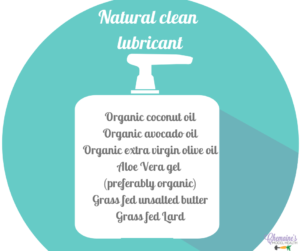
Use lubricants if you experience vaginal irritation or sensitivity (either water based or use the list below)
Set aside a relaxed time for sex when you and your partner aren't tired, rushed or stressed. Talk to your partner and tell them what you like; start with foreplay
Before sex, empty your bladder or take a warm bath. After sex apply an ice pack or frozen gel pack wrapped in a towel to the vulva. After you can also apply some organic coconut oil to the vaginal area to help with inflammation.
If endometriosis or period pain get in the way of sex, track your symptoms and cycles to avoid those times.
Peruvian Maca has been shown in several studies to increase lubrication, libido and vaginal health. You would take 1000 mg every morning.
Collagen, Vitamin A, C and E, and good fats are essential for keeping the epithelial layer/tissue of the vagina strong and healthy
Natural clean lubricants;
Organic coconut oil
Organic Avocado oil
Organic Extra virgin olive oil
Organic Aloe vera gel
Grass fed Lard, unsalted butter or Ghee.