
Module 1 – Understanding Sugar
Sugar or arbohydrates are a hot topic, for many reasons. But sugar is not innately bad like we have been lead to believe by several diet trends including Keto and Carnivore. Excess sugar or sugar paired with fat and or additives and preservative etc can be bad.
Sugar is carbohydrates, which are your grains, fruits, sugars, starchy vegetables, table sugar, and so on.
There are good carbs that support your body and metabolic functions. And there are carbs that cause damage to the body, including insulin resistance, inflammation, fatty liver, gut issues, and more.
Sugar is;
A sugar or carbohydrate molecule is seen in chemistry as C6H12O6 or 6 Carbons 12 Hydrogen and 6 Oxygen or 6 Carbons bound to 6 water molecules. This is why when we consume carbohydrates they can bloat us, cause us to retain fluid and dehydrate us (because they swell and suck up so much water).
There are lots of health professionals that will encourage you to eat whole grains, I am not one of them. Especially Wheat, Barley, Rye and Spelt. Not just for gluten but also the wheat germ agglutinin (WGA1), lectins, amylase (that causes abscesses and infections in the mouth), and the phytates or antinutrients they contain in their outer coating, that inhibit your body from absorbing nutrients and minerals, and drives up inflammatory responses.
Not all sugar is bad though. Sugar is actually essential for good health, especially in women. Sugar is essential for thyroid and adrenal health to start. Sugar helps the body produce dopamine (our motivation and reward/feel good hormone). Sugar is one of our best tools to push down cortisol (one of our stress hormones), encourage ovualtion and supports a good menstrual. So we do want to be consuming sugar in “balance” and in context.
Sugar is not the enemy.
Signs that you may not be consuming enough good sugar/carbs are;
constipation
low energy and fatiguability
poor performance and workouts
sleep issues
irritability
feeling cold
feeling increased inflammation and stress due to increased stress hormones
plateauing or inability to lose weight
amenorrhea or menstrual issues
low basal temperature and low basal metabolic rate
The best carbohydrates for health are well cooked potatos, white rice, fresh fruit and green vegetables.
Heres the thing though, and you will learn more about this in calorie harvesting; by consuming certain carbs at specific times of the day. We can tilt conditions in your favor and upregulate good bacteria, gut healing, fat burning and health biomarkers.
To get straight to the point on this, studies show consuming certain starchy carbs at lunch time, we get the benefits above. Like green apples, oranges, berries, potatoes, white rice and even juice.
And by consuming certain non starchy carbs at dinner, we further increase fat burning. Like green beans, asparagus, brussels sprouts, brocoli, cauliflower and mixed salad grees.
All of the above should be organic of course.
What are “non insulinogenic” foods or
“how come berries and honey are allowed in the first meal”?
So there is a sub category of carbs know as “non insulinogenic” carbs, video below, that cause almost no insulin response in the body (from the pancreas and liver).
Meaning a small amount of these foods keeps the sugar (fructose) in them in your liver, and it does not go into your blood stream. Therefore, making them acceptable in your first meal, but in a small amount.
Did you know
As women get older, they are less and less able to tolerate and metabolize carbs? This means we need to be smart with our carb timing, portions and choices.
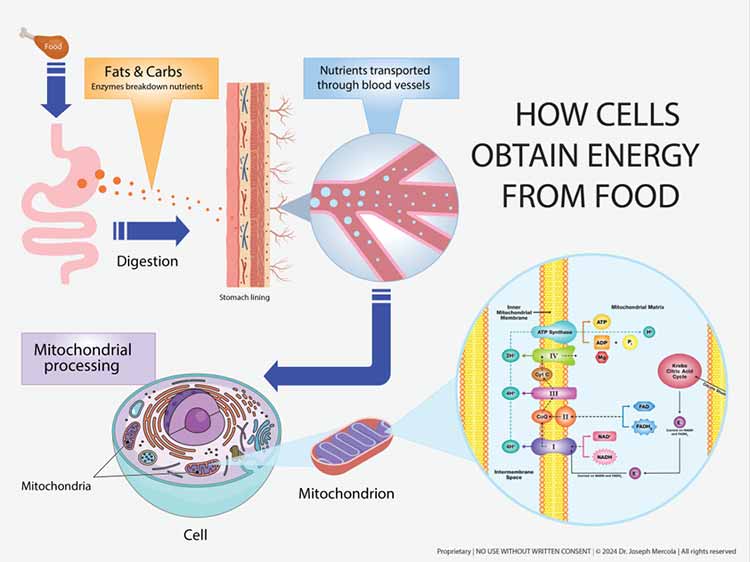
Low-carb diets can hinder thyroid function by reducing the liver’s ability to convert T4 into the active thyroid hormone T3, essential for regulating metabolism, due to a decrease in glucose availability for the liver. Thus low carb diets slow down metabolism and all metabolic functions.
Reintroducing carbohydrates in a balanced well thought out manner after being low carb, can improve metabolism and overall health, countering the negative effects of long-term low carb dieting by enhancing the body’s energy production and usage.
Temporary Symptom Suppression Versus True Healing
The removal of an entire food group (like carbs) can certainly improve symptoms. For example — maybe there was a carb source you were consuming that was really aggravating your gut. Removing gut triggers will always make us feel better!
But there is a big difference between temporary symptom suppression and true healing — as restriction always comes with long-term costs. Running on stress hormones (which can occur in low-carb diets) may feel good at first, but they will quickly leave your body even more depleted than when you started.
Eating low-carb does not improve metabolic flexibility. Removing carbs doesn’t fix a damaged glucose metabolism — as being low-carb for a long period of time actually induces physiological insulin resistance.
It’s like skipping leg day if you don’t have strong leg muscles… you don’t experience any pain since the leg muscles were not worked! If you don’t use it, you lose it! (Don’t worry — this can be fixed! But avoiding carbs isn’t what fixes your glucose metabolism machinery — it just avoids the trigger).

If we understand how our physiology works, why not give it what it needs? Not consuming carbs may “work” and provide digestive relief (relative to a diet filled with hard-to-digest carbs and high amounts of PUFAs).
Remember; Sugar/carbohydrates and Fat do NOT go together.
Lastly…a note on mental health and sugar.
Excess sugar/carbs play havoc on our mood/mental health and how we feel. Yes carbs are approved but in context, at the right time of the day, and in the right form.
The right amount and type of carbs can make you feel really great, but the wrong amount and type (usually junk food and processed carbs) can make you feel really rubbish, emotional and even weepy.
The importance of your food choices can not be stressed enough, when it comes to your mental health. PUFAS being the biggest destroyer of mental health, even more then “excess sugar”.
Essentially, you have two brains; one in your head, and one in your gut. Both of which are created from the same tissue during fetal development (crazy right). These two systems are connected via your vagus nerve, the tenth cranial nerve that runs from your brain stem down to your abdomen (think of it like a tree of nerves running through your body). It is now well established that the vagus nerve is the primary route your gut bacteria use to transmit information to your brain, and communicate with other bacteria and cells. If your gut is not healthy, then your mental health won’t be either.
